



Our activities
Marine debris management
Marine Pollution in the Pacific
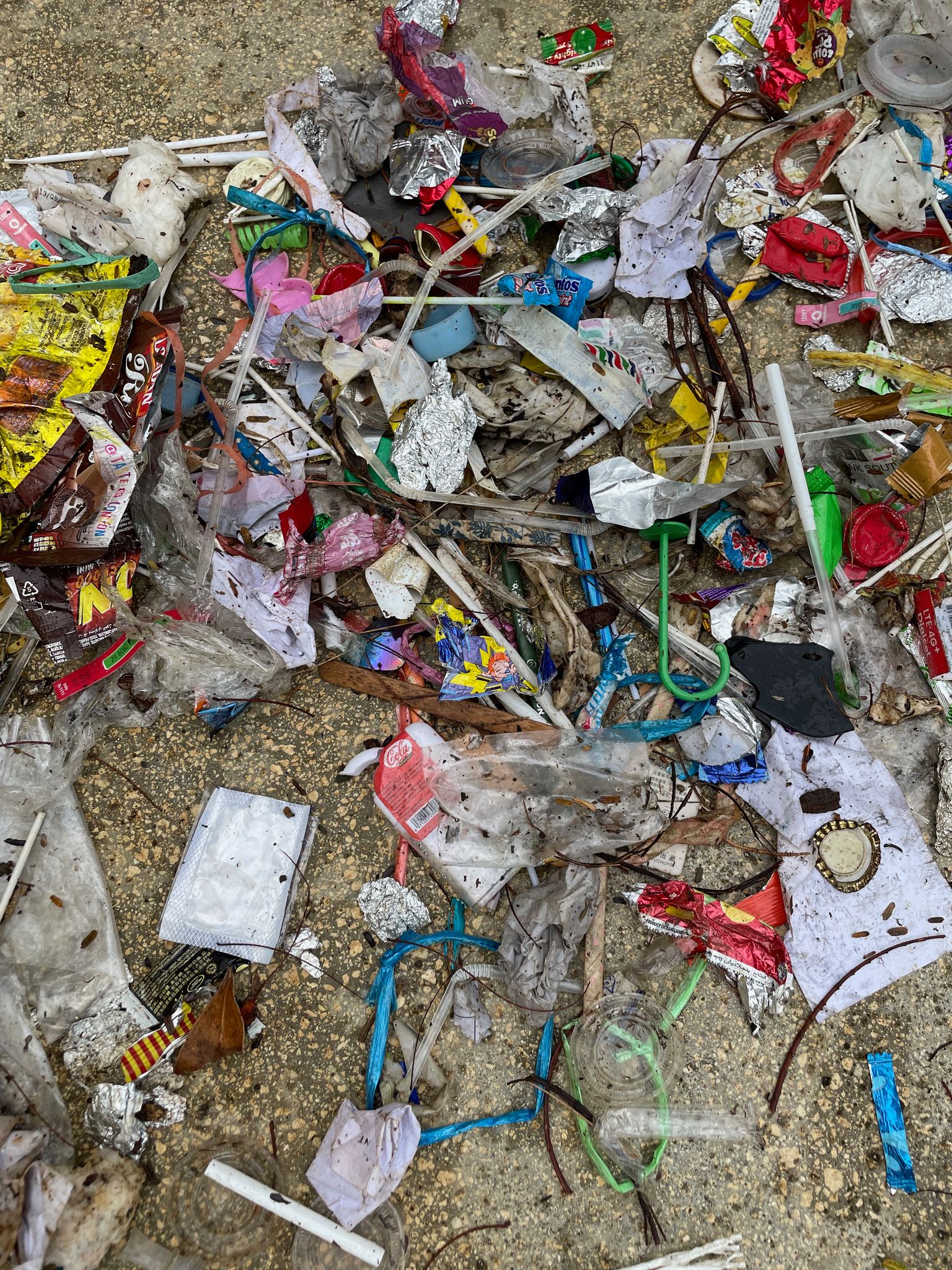
Marine pollution occurs when harmful chemicals, polluted wastewater, industrial, agricultural, and household waste, as well as garbage from ships and invasive organisms, enter the ocean. Plastics are a major source of this pollution.
Pacific islands are especially vulnerable to the impacts of marine litter because of the high ecological value and sensitivity of their coastal environments.
How SWAP2 is Responding
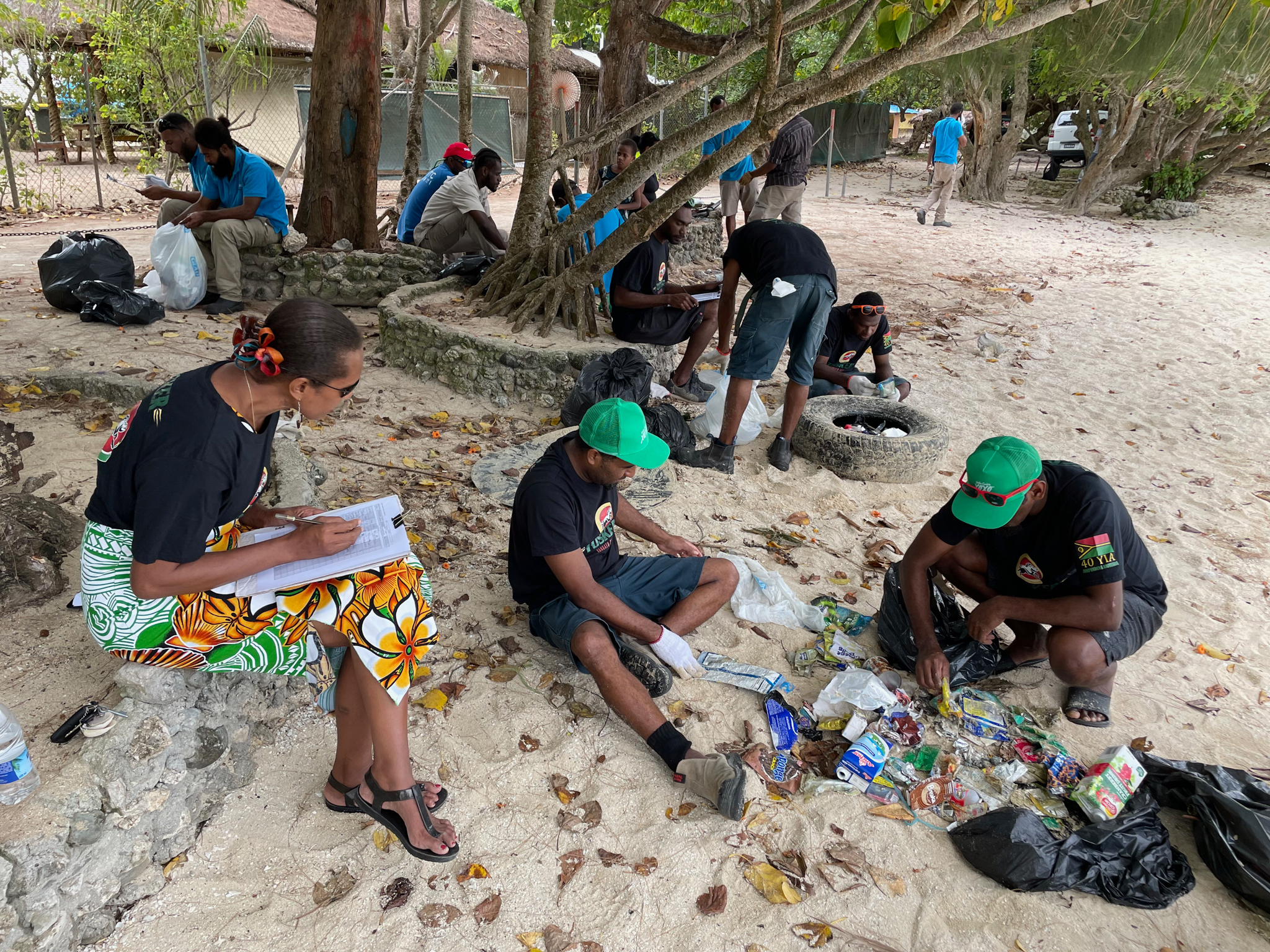
To help address this issue, the SWAP2 project aims to raise awareness within communities and provide public authorities with data on the amount of litter entering the ocean.
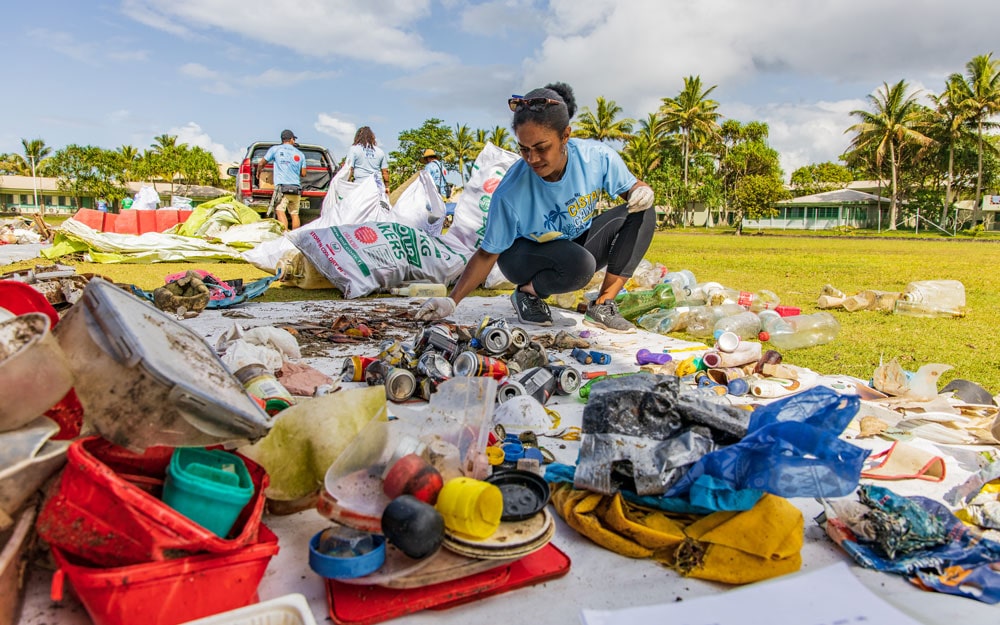
Marine litter surveys will be conducted at identified hotspot sites across the islands, and the findings will be analysed. The results will be shared through education campaigns in communities, schools, and youth groups, and will also help guide waste management policies — particularly those related to single-use plastic bans.



This document has been produced with the financial assistance of the AFD. The views
expressed herein can in no way be taken to reflect the official opinion of the AFD.